 how-to
9 Reasons One Phone Alarm Isn't Enough for Interviews
Last Updated: October 30, 2026
Quick Summary
No, a single phone alarm is usually not enough for interview day. It is easy to dismiss with the snooze button, and silent mode or notification overload can cause it to be missed entirely. Set two or more alarms placed away from the bed, plus a backup wake-up call.
- Plan to be awake at least 90 minutes before you need to leave.
- Set two or three alarms a few minutes apart, placed across the room.
- Add a personal wake-up call as a harder-to-ignore backup.
- Turn off do not disturb for the alarm so it can actually sound.
- If you sleep through an alarm, call the interviewer quickly and explain the delay.
Table of Contents
- Why a Single Phone Alarm Often Fails on Interview Day
- How Early to Wake Up Before an Interview
- How Many Alarms Should You Set?
- Choosing the Best Alarm for Heavy Sleepers
- What to Do If You Sleep Through Your Alarm
- Interview Morning Checklist
- Setting Up a Wake-Up Backup for Your Next Interview
- Frequently Asked Questions
Interview day has a way of testing your nerves before you even walk into the room. Many job seekers assume their phone alarm will handle the wake-up part, so they set one and go to bed. That assumption is where things often go wrong. A single phone alarm is easy to ignore, and on a day that matters, you cannot afford to ignore it. Below, we explain why one alarm often falls short and what a stronger setup looks like.
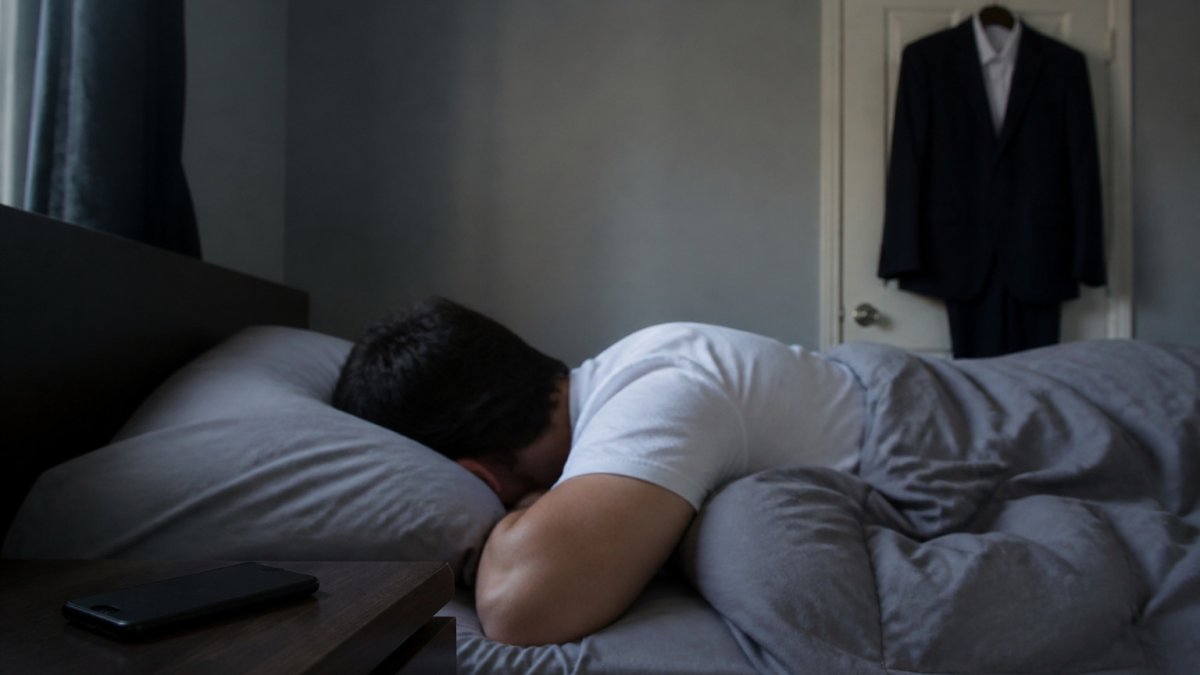
Why a Single Phone Alarm Often Fails on Interview Day
A phone alarm is designed to be easy to dismiss. That design helps on ordinary mornings, but it works against you when you need to be up early for something important. According to the Sleep Foundation's guidance on sleep and alertness, deep sleep makes it hard to wake, and a sound alone may not be enough to pull you out of it.
The snooze-button trap
The snooze button is the biggest problem. One tap buys you nine more minutes, and then another. Before you know it, you have lost the window you needed. Most people who oversleep do not decide to sleep in. They simply keep hitting snooze without realizing how much time has passed.
Silent mode and notification overload
A phone that is on silent or buried under other alerts can miss the alarm entirely. Do not disturb settings, low volume, or a phone charging across the room all make it easier to sleep through. Notification overload also means the alarm can get lost among messages, which is the last thing you want when an interview starts at 9:00.
How Early to Wake Up Before an Interview
Plan to be awake at least 90 minutes before you need to leave. For a practical plan to get up on time, read how to stop oversleeping for interviews. That gives you time to shower, eat, review your notes, and handle surprises like traffic or a missing shirt. If the interview is across town or requires a commute by train, add more time.
- Check the travel route the night before
- Add a 20-minute buffer for unexpected delays
- Leave room for a quick breakfast and a calm start
Waking up earlier than you think you need is almost always the safer choice on interview day.
How Many Alarms Should You Set?
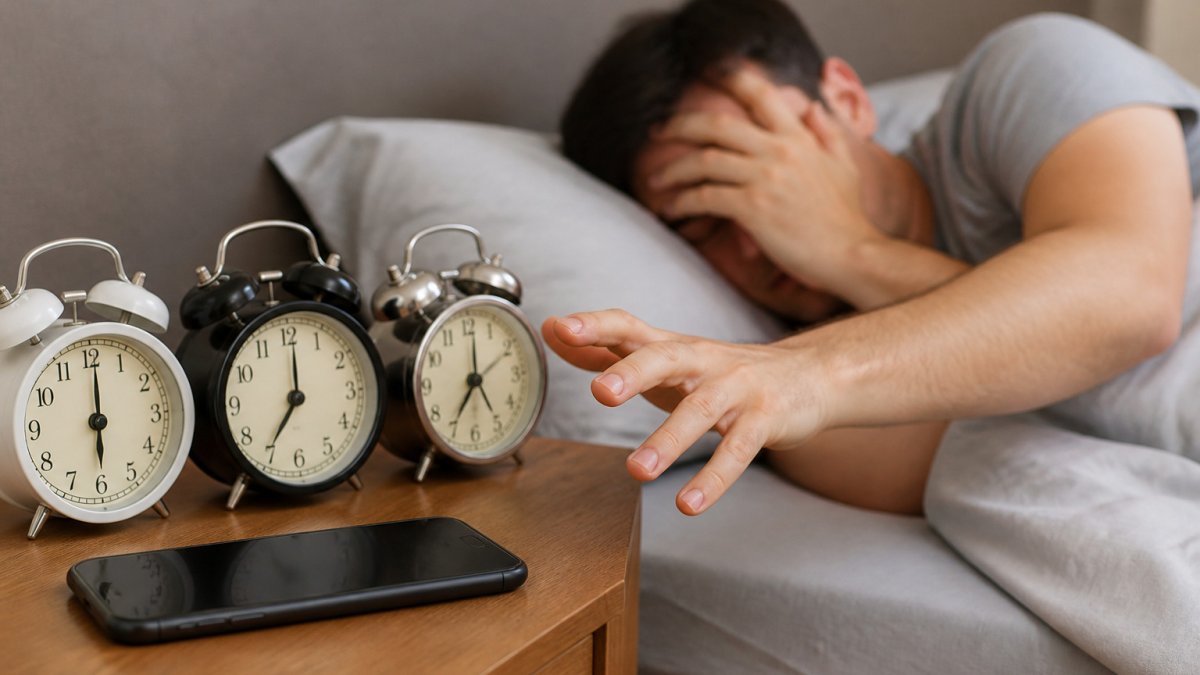
For high-stakes mornings, one alarm is rarely enough. To compare AI wake-up services as a stronger backup option, see how to choose the best AI wake-up services. Many people set two or three alarms, spaced a few minutes apart, and place the phone across the room so they have to stand up to turn it off. This small step breaks the reflex of tapping snooze from bed.
A backup system is even stronger. A personal wake-up call gives you a human or conversational voice that is harder to ignore than a beep. A wake-up call that keeps trying if you miss the first attempt is designed for exactly this kind of moment.
Choosing the Best Alarm for Heavy Sleepers
If you know you sleep through alarms, look for options built for deep sleepers. Loud vibrating devices, alarms that require you to get up and move, and services that call you directly all work better than a standard tone. Some heavy sleepers also find that a light placed near the bed helps them wake more naturally.
Compare each option based on how hard it is to ignore. For reliable alternatives built for people who cannot afford to oversleep, see reliable alarm services for travelers. A tool that you can dismiss in your sleep is not a real backup.
What to Do If You Sleep Through Your Alarm
If you wake up to find you missed your alarm, act fast. To make sure it does not happen again, see proven methods to stop sleeping through alarms. Call the person you are meeting, let them know you are running late, and send an updated time if you can. Being honest and quick about a delay leaves a better impression than arriving late with no warning.
Then fix the cause. Did you turn the phone off? Did you silence it? Adjust your setup before the next important day so this does not happen again.
Interview Morning Checklist
Use this list the night before to lower stress:
- Set two or more alarms, placed away from the bed
- Turn on a backup wake-up call
- Turn off do not disturb for the alarm
- Lay out your outfit, ID, and notes
- Confirm the address, route, and interview time
- Charge your phone and laptop
Completing this checklist takes about ten minutes and removes many of the small problems that cause last-minute panic.
The checklist below condenses the steps the article recommends for a reliable interview-morning wake-up.
| Step | What to do | Timing |
|---|---|---|
| Set alarms | Use two or more, placed away from the bed | Night before |
| Add a backup | Turn on a backup wake-up call | Night before |
| Check do not disturb | Turn it off for the alarm | Night before |
| Prepare | Lay out outfit, ID, and notes | Night before |
| Confirm details | Check address, route, and interview time | Night before |
| Charge devices | Charge your phone and laptop | Night before |
Setting Up a Wake-Up Backup for Your Next Interview
Start by setting your main alarm for the time you need to wake up. Then add a backup that is harder to ignore, such as a personal wake-up call. RiseCall offers real accountability calls with a conversational voice, so you hear a voice asking you to get up, not just a sound. You can also choose a persona, from a gentle coach to a firmer drill sergeant, and receive a short weather and news briefing to start your day informed.
Test your setup a few nights before the interview. Make sure the call and alarms work with your phone's settings, and confirm the timing matches your travel plan.
Getting up on time for an interview takes a plan, not luck. Set your alarms, add a backup, and make getting out of bed the easy choice. When your next important morning arrives, you will be ready to walk in focused and calm.
Frequently Asked Questions
Is one phone alarm enough to wake up for an interview?
For most people, one phone alarm is a weak safeguard on a high-stakes morning. Phone alarms are easy to silence, dismiss in your sleep, or miss when the phone is on silent or buried under notifications. Using a second, separate alarm, or a wake-up call service that requires you to answer, gives you a backup if the first one fails. Treat the phone alarm as the start of your plan, not the whole plan.
How early should I wake up before a job interview?
Plan to wake up at least 90 minutes before your interview start time. That window covers getting ready, eating something, checking your route or video setup, and leaving with a buffer for delays. If you need to commute, add your travel time on top. Waking up earlier than you think you need also protects you if your first alarm fails, since you still have time to recover.
Should I set multiple alarms before an interview?
Yes. Set at least two alarms, spaced a few minutes apart, and place the phone out of arm's reach so you have to stand up to shut it off. Put one alarm on a different device if you can, such as a bedside alarm clock. For extra protection, use a wake-up call service that calls you if you do not answer the first attempt. Multiple alarms work best when each one requires a physical action to stop.
What should I do if I sleep through my phone alarm?
Keep a backup plan ready before you go to bed. Set a second alarm or a wake-up call, and ask someone you trust to call or text you if they know your interview time. If you wake up late, call the interviewer right away, explain briefly, and ask whether you can still join. Acting quickly and calmly makes a late start far less damaging than silence.