 how-to
Tips for Waking Up for Exams: A Morning Protocol That Works
Last Updated: October 23, 2026
Quick Summary
Waking up for exams requires more than alarms, it demands a system that forces accountability and engages your brain. The key is getting out of bed immediately when your alarm sounds, turning on bright lights, splashing cold water on your face, and speaking out loud to interrupt sleep inertia and activate your nervous system within the first 10 minutes.
- Aim for 7-9 hours of sleep the night before your exam, with consistency mattering more than one extra night of sleep.
- Stop studying by 9 PM and avoid caffeine after 2 PM to let your nervous system calm down before bed.
- Drink 16-20 ounces of water immediately upon waking, before coffee, to rehydrate your brain and improve cognitive function.
- Adjust your circadian rhythm 5-7 days early by waking 30 minutes earlier each day if your exam is at an unusual time.
- Use accountability systems like RiseCall instead of passive alarms, since you cannot ignore a phone call the way you can silence an alarm.
Table of Contents
- Why Waking Up for Exams Is Harder Than You Think
- How Much Sleep Before an Exam Actually Matters
- Night Before Exam Checklist: Set Yourself Up to Win
- Your Exam Morning Routine: From Alarm to Alertness
- Circadian Rhythm Adjustment: Sync Your Body to Exam Time
- How to Stay Awake While Studying the Night Before
- Emergency Wake-Up Protocols for the Oversleeper
- Why Accountability Matters: Moving Beyond Standard Alarms
- Frequently Asked Questions
Why Waking Up for Exams Is Harder Than You Think
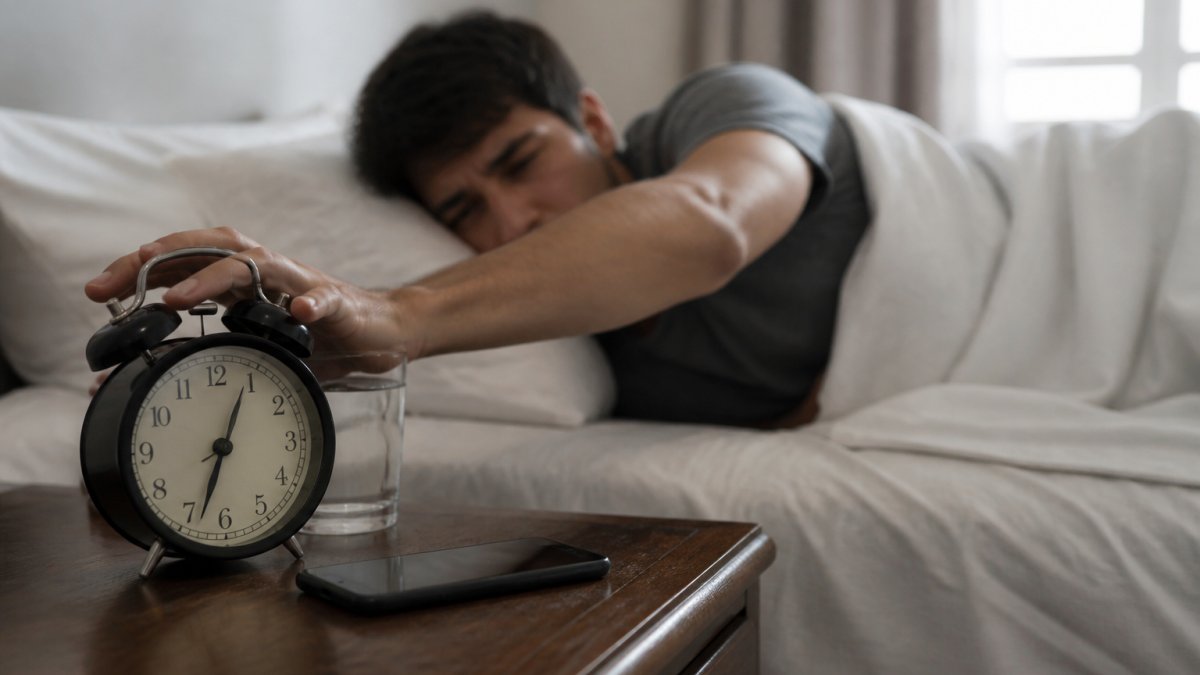
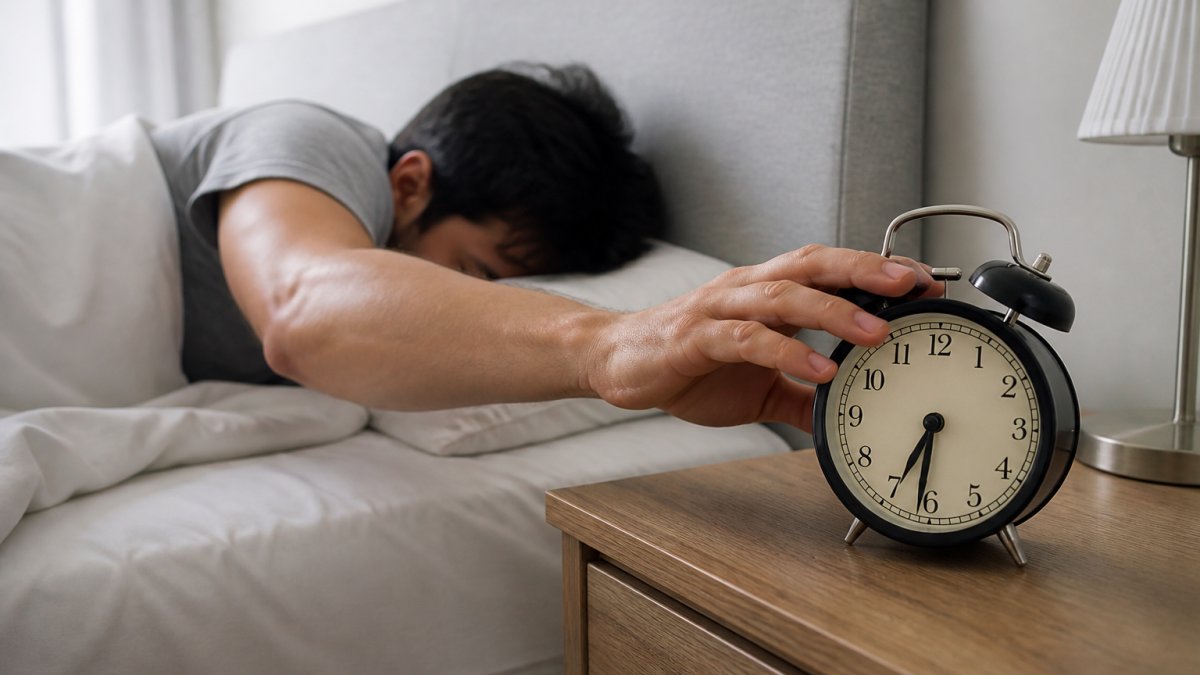
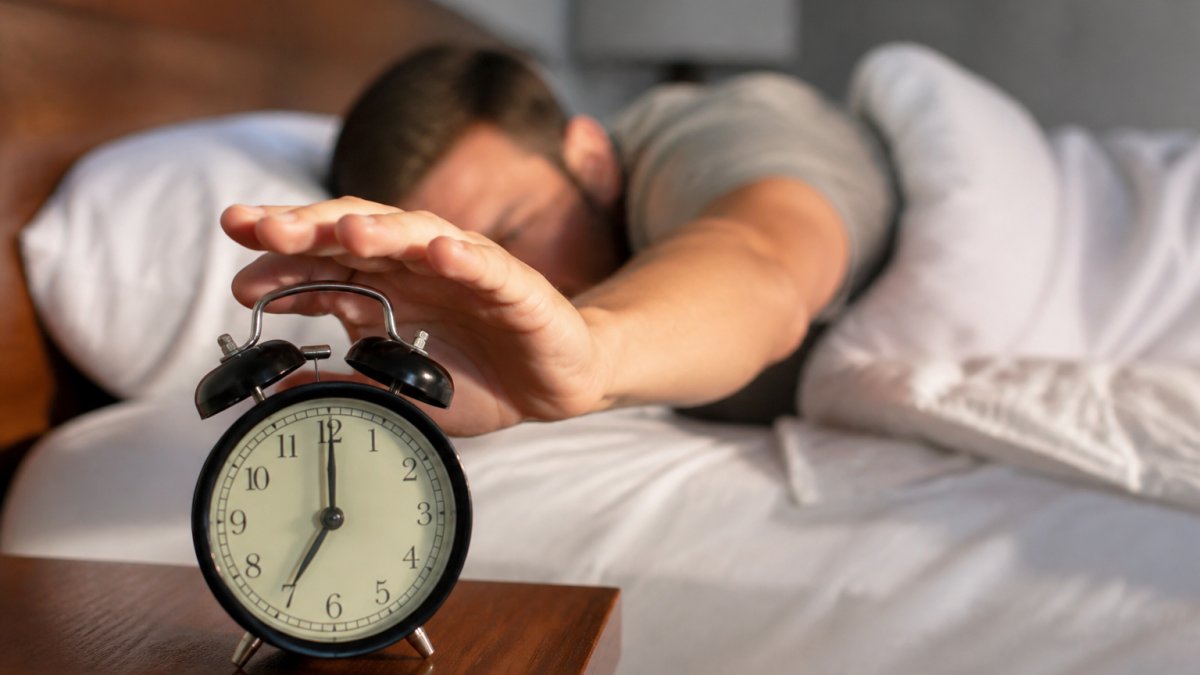
The alarm goes off. You know the exam is today. Yet your hand still reaches for the snooze button. This isn't laziness, it's biology.
Your body fights waking up because sleep inertia is real. Add exam anxiety on top of that, and many students find that waking up for exams becomes the hardest part of exam day itself.
Most people rely on standard alarms, but a passive alarm doesn't engage your brain the way a real interaction does.
That's why tips for waking up for exams go beyond setting multiple alarms. The real challenge is a system that forces accountability and wakes not just your body, but your mind.
How Much Sleep Before an Exam Actually Matters
The night before an exam, one question dominates: How much sleep do I actually need?
The answer: seven to nine hours is the target for most people (the CDC). But consistency and sleep quality matter far more than cramming in extra hours the night before.
Your body operates on a circadian rhythm. When you sleep at different times each night, your brain never fully settles into deep, restorative sleep.
Students often study late the night before an exam, then expect to sleep well.
Here's the practical approach:
- Aim for 7-9 hours the night before your exam
- Stop studying by 9 PM to let your nervous system calm down
- Avoid caffeine after 2 PM on exam day
If you didn't sleep well, don't panic. One poor night won't tank your exam performance. Your brain can still function.
Night Before Exam Checklist: Set Yourself Up to Win
What you do in the final hours before bed shapes whether you'll wake up on time and alert.
Start this checklist four hours before bed:
- Check the exam location and time. Write it down. No assumptions. Verify the building, room number, and exact start time.
- Prepare your clothes. Lay out comfortable, appropriate clothes. Nothing tight. Nothing that makes you uncomfortable. You want zero friction in the morning.
- Set your alarm, and a backup. Use your phone alarm. Set a second alarm on a different device. Better yet, use an accountability service like RiseCall that calls you directly, ensuring you actually wake up instead of silencing your phone and rolling over.
Your Exam Morning Routine: From Alarm to Alertness
The first hour after waking determines your entire exam day. This is where tips for waking up for exams matter most.
The First 10 Minutes: Interrupt the Snooze Trap
Your alarm sounds. Your instinct: hit snooze and sleep five more minutes.
Don't. Every snooze cycle puts you deeper into sleep inertia. You're not getting rest, you're fragmenting your sleep and waking up groggier.
Instead, follow this protocol:
- Get out of bed immediately. No sitting. No thinking. Swing your legs out and stand up. Physical movement forces your nervous system to activate.
- Turn on bright lights. Light is the strongest signal to your brain that it's time to wake. Bright light suppresses melatonin and increases alertness within minutes.
- Splash cold water on your face. This activates your parasympathetic nervous system and increases heart rate. It's a jolt, but it works.
- Speak out loud. Say your exam time. Say what you're doing today. Hearing your own voice engages your brain differently than silent thought.

Alarm apps are an uphill battle: you can silence, snooze, or pretend you didn't hear them. You can't ignore a phone call the way you ignore an alarm, and that accountability separates students who oversleep from those who don't.
Minutes 10-30: Hydration, Light, and Movement
Your first 10 minutes got you out of bed. Now activate your body fully.
Dehydration is one of the biggest killers of exam performance. After 7-9 hours asleep without water, your brain is dehydrated and your cognitive function is already compromised.
Here's what to do:
- Drink 16-20 ounces of water immediately. Not coffee. Not juice. Water. Your brain needs hydration before caffeine. Drink it fast.
- Move your body. Walk around. Do 10 jumping jacks. Stretch. Movement increases blood flow to your brain and wakes up your muscles. Sitting still keeps you in sleep mode.
- Get natural light exposure. If possible, step outside for 2-3 minutes. If it's dark, turn on all the lights in your room. Light exposure resets your circadian rhythm and increases alertness.
Minutes 30-60: Brain Fuel and Mental Priming
Now you eat. But not just anything.
Your brain needs fuel that provides stable energy without a crash. Sugar and processed carbs spike then crash, so you need protein, healthy fats, and complex carbs.
Eat one of these:
- Eggs with whole-grain toast and fruit
- Oatmeal with nuts and berries
- Greek yogurt with granola and honey
Pair it with water or herbal tea. Coffee is fine after you eat, it works better on a full stomach and won't make you jittery.
While you eat, do this mental priming:
- Review your exam strategy. Spend 5 minutes reviewing what you studied. Not cramming new material. Just reminding yourself what you know.
- Visualize success. Picture yourself walking into the exam room. Picture yourself reading the first question and knowing how to answer it. Visualization activates the same neural pathways as actual practice.
- State your intention. Say it out loud: "I am prepared. I will focus. I will do my best." This sounds simple, but self-talk shapes your mental state.
By minute 60, you've hydrated, moved, eaten, and mentally prepared. Your brain is now in exam mode, not sleep mode.
Circadian Rhythm Adjustment: Sync Your Body to Exam Time
If your exam is at 8 AM but you normally sleep until 10 AM, you have a problem.
Your circadian rhythm, your body's internal clock, controls when you naturally wake and get tired.
Circadian rhythm adjustment takes about 3-5 days. Here's how to do it:
- Wake up 30 minutes earlier each day. If your exam is at 8 AM and you normally wake at 10 AM, start adjusting 5-7 days early. Move your wake time 30 minutes earlier each day until you're naturally waking at 6:30 AM.
- Get light exposure immediately upon waking. Your body's circadian rhythm is strongest influenced by light. Bright light in the morning tells your body to wake up.
- Eat breakfast at the same time each day. Eating at a consistent time reinforces your body's internal clock.
If you've waited until the night before to adjust your sleep schedule, you're too late. Circadian rhythm adjustment requires time, but even one night of slightly earlier sleep is better than nothing.
How to Stay Awake While Studying the Night Before
Sometimes you have to study the night before. If you're studying late, the goal isn't to cram everything in, it's to stay awake, stay focused, and reinforce what you already know.
Here's how to do it without destroying your sleep:
- Study in 45-minute blocks with 10-minute breaks. Your brain can't focus for more than 45-50 minutes. Studying longer than that produces diminishing returns. Take breaks to walk around, stretch, and reset your focus.
- Keep your study space bright and cool. Darkness and warmth make you sleepy. Bright lights and cool air keep you alert.
- Use caffeine strategically. Drink coffee at 8 PM, not 11 PM. Caffeine takes 20-30 minutes to kick in. If you drink it too late, you'll still be wired when you need to sleep.
The hardest part of staying awake while studying is the mental battle. But if you've studied for weeks, one more hour of late-night review won't change much. Sleep quality matters more than 60 more minutes of half-focused study.
Emergency Wake-Up Protocols for the Oversleeper
You slept through your alarm. You woke up 30 minutes before your exam.
Panic won't help. Action will.
Here's your emergency protocol:
Immediate actions (first 5 minutes):
- Splash cold water on your face and neck
- Do 20 jumping jacks or run in place for 30 seconds
- Drink a large glass of water
Get ready (next 10 minutes):
- Skip the full shower. Wash your face and hands only
- Put on clothes you can grab quickly
- Skip makeup or keep it minimal
Eat something (next 5 minutes):
- Eat a banana or granola bar
- Drink coffee if you have it ready
- Don't skip eating, your brain needs fuel
Get to the exam (next 10 minutes):
- Drive or take transit. Don't walk if it takes more than 5 minutes
- Call ahead if possible and let the exam administrator know you're running late
- Drive safely. An accident is worse than being late
Mental reset (in the car or transit):
- Take three deep breaths
- Remind yourself that 30 minutes of panic doesn't change the outcome
- Focus on what you know, not what you don't
Even oversleepers can still perform well on exams. Your sleep matters, but panic matters more. Stay calm, get there, and do your best with what you know.
Why Accountability Matters: Moving Beyond Standard Alarms
Standard alarms fail because they're passive.
When someone (or something) is counting on you to wake up, you wake up.
This is why tips for waking up for exams that include accountability systems work better than tips that rely on personal discipline alone.
RiseCall replaces a passive alarm with a real interaction. The service calls you, you answer, you have a conversation.
For students with chronic snooze-button habits, this matters. You've tried five alarm apps and sleeping across the room.
Frequently Asked Questions
How much sleep should I get the night before an exam?
Aim for 7-9 hours of continuous sleep before your exam. Sleep deprivation impairs cognitive performance, memory recall, and focus, all critical for exam success. Prioritize sleep hygiene the night before: a cool, dark room and a consistent bedtime help you achieve restorative sleep. Cramming all night trades short-term study time for long-term cognitive decline, which almost always hurts your score more than it helps.
What's the best way to wake up for an exam if I always hit snooze?
Remove the snooze option entirely. Place your alarm across the room so you physically get out of bed. Use an accountability system, whether a friend who calls you, a parent who checks in, or a service like RiseCall that uses a real phone call instead of a standard alarm. The key is making it impossible to ignore or dismiss the wake-up signal, which breaks the snooze cycle and forces you into motion.
Can I adjust my circadian rhythm if my exam is at an unusual time?
Yes, but it takes planning. Start 3-5 days before your exam by gradually shifting your sleep and wake times 15-30 minutes earlier each day. Expose yourself to bright light immediately after waking and avoid screens 1-2 hours before bed. Your circadian rhythm responds to light and consistency, so even a few days of intentional adjustment can align your peak alertness with your exam time.
What should I eat for breakfast on exam day to stay alert?
Choose a balanced breakfast with protein, complex carbohydrates, and healthy fats: eggs with whole-grain toast, oatmeal with nuts and berries, or Greek yogurt with granola. Avoid high-sugar cereals or pastries, which spike blood sugar and cause a crash during your exam. Hydrate with water first thing, even mild dehydration reduces concentration and cognitive performance. Eat 1-2 hours before your exam so digestion doesn't compete with mental focus.
Waking up for exams doesn't have to be a battle every single time. The right morning protocol, combined with proper sleep the night before and real accountability, takes the guesswork out of exam day. You know exactly what to do. You know you'll actually do it. You know you'll get to that exam alert, hydrated, and ready. That confidence starts the moment your alarm goes off. Get started with RiseCall and replace the snooze trap with real accountability.