 how-to
How to Wake Up for Early Flights: A Practical Guide
Table of Contents
- Plan Your Sleep Schedule Three Days Before
- What Time to Go to Bed Before an Early Flight
- Decide: Stay Awake or Sleep a Few Hours
- How to Stop Sleeping Through Alarms
- Night Before Flight Checklist
- Morning Routine: From Alarm to Airport
- Arrange Transportation and Build in Buffer Time
- Frequently Asked Questions
Last Updated: October 19, 2026
Plan Your Sleep Schedule Three Days Before
Learning how to wake up for early flights starts three days before departure. Your body doesn't shift its sleep rhythm overnight, it needs time to adjust.
Move your bedtime earlier by 30 minutes each night. If you normally sleep at 11 PM and need to wake at 4 AM, don't flip your schedule in one night, shift gradually so your circadian rhythm can adapt.
Go to bed 30 minutes earlier three nights out, 60 minutes earlier two nights out. By the night before, your body will be closer to the new schedule and you'll feel more rested when that early alarm hits.
Dim the lights starting at 7 PM on those three nights. Light signals your brain to stay awake; darkness triggers melatonin. Close the blinds, turn off overhead lights, and use lamps instead.
Avoid caffeine after 2 PM during these three days. It stays in your system six to eight hours, so a 3 PM coffee can still disrupt sleep at 10 PM. Stick to water and herbal tea.
What Time to Go to Bed Before an Early Flight
Your bedtime depends on your departure time and how much sleep you need. Most adults need seven to nine hours, work backward from your wake-up time (the CDC).
If your flight leaves at 6 AM and you need to wake at 3:30 AM, aim to sleep by 7 PM the night before for roughly eight hours. If you need nine hours, go to bed at 6 PM instead.
Add 30 minutes of buffer time. Most people take 10 to 20 minutes to drift off, so going to bed earlier accounts for that transition.
Consistency matters more than perfection. If you normally go to bed at 11 PM, a single 7 PM night won't take. Stick to a schedule for at least two nights before your flight and your body will adjust faster.
Decide: Stay Awake or Sleep a Few Hours
You have two real options: stay awake through the night, or get a few hours of sleep.
Staying awake works if your flight is before 5 AM and you live close to the airport, you avoid the risk of oversleeping. The downside: you'll be exhausted by boarding, your judgment suffers, and you might miss your gate.
Getting a few hours of sleep is almost always the better choice. Even three to four hours beats zero, you'll be more alert and less likely to make mistakes at the airport. The risk is oversleeping, which is why your alarm system matters.
Most sleep experts recommend at least four to five hours of sleep when learning how to wake up for early flights, to stay functional and reduce the fog of no sleep.
If you choose to sleep, set your alarm for 90 minutes before you need to wake up. If you sleep through the first alarm, you still have time to get up and make your flight.
How to Stop Sleeping Through Alarms
This is where most people fail: they set an alarm, sleep through it, and miss their flight.
Your phone's default alarm is designed to be convenient, not effective. It sits on your nightstand, you can silence it without fully waking, and your brain learns to sleep through the sound, alarm fatigue.
The solution is to make your alarm impossible to ignore. You need multiple layers of accountability.
The Best Alarm for Heavy Sleepers
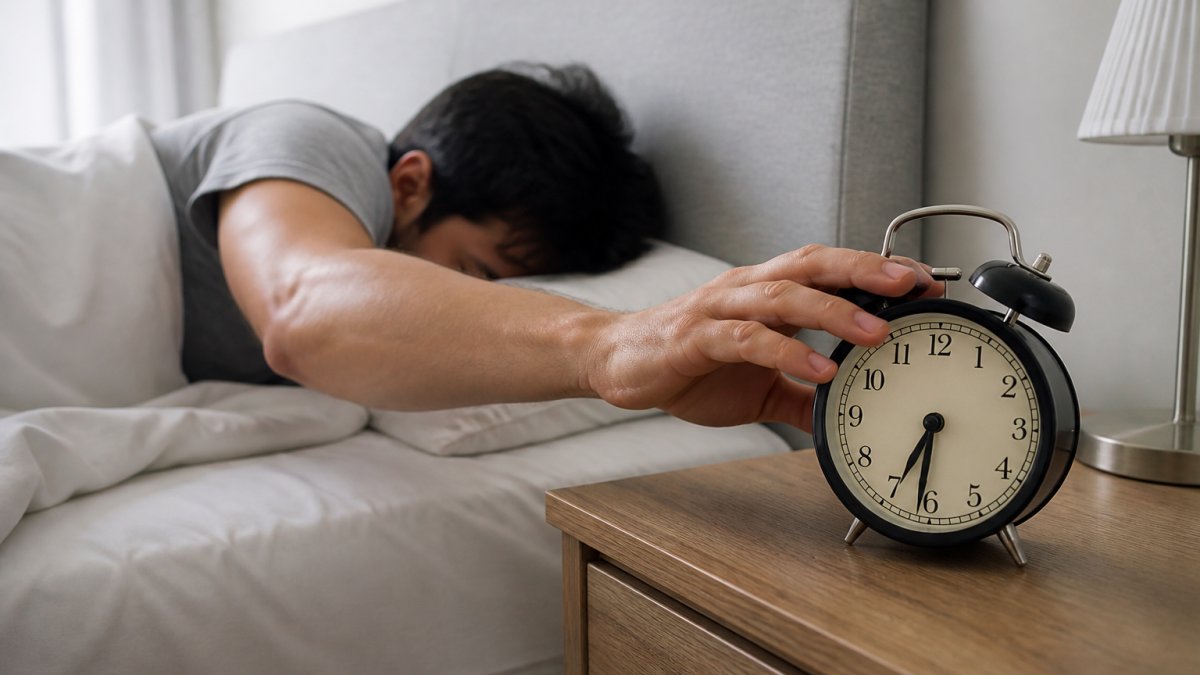
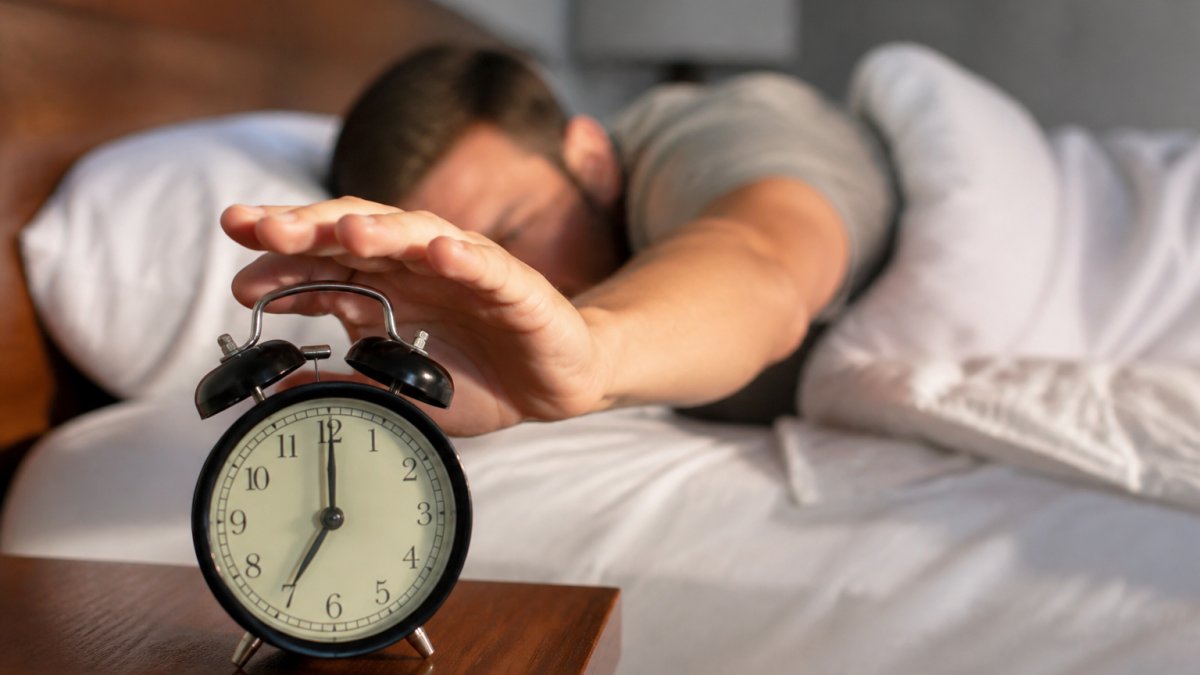
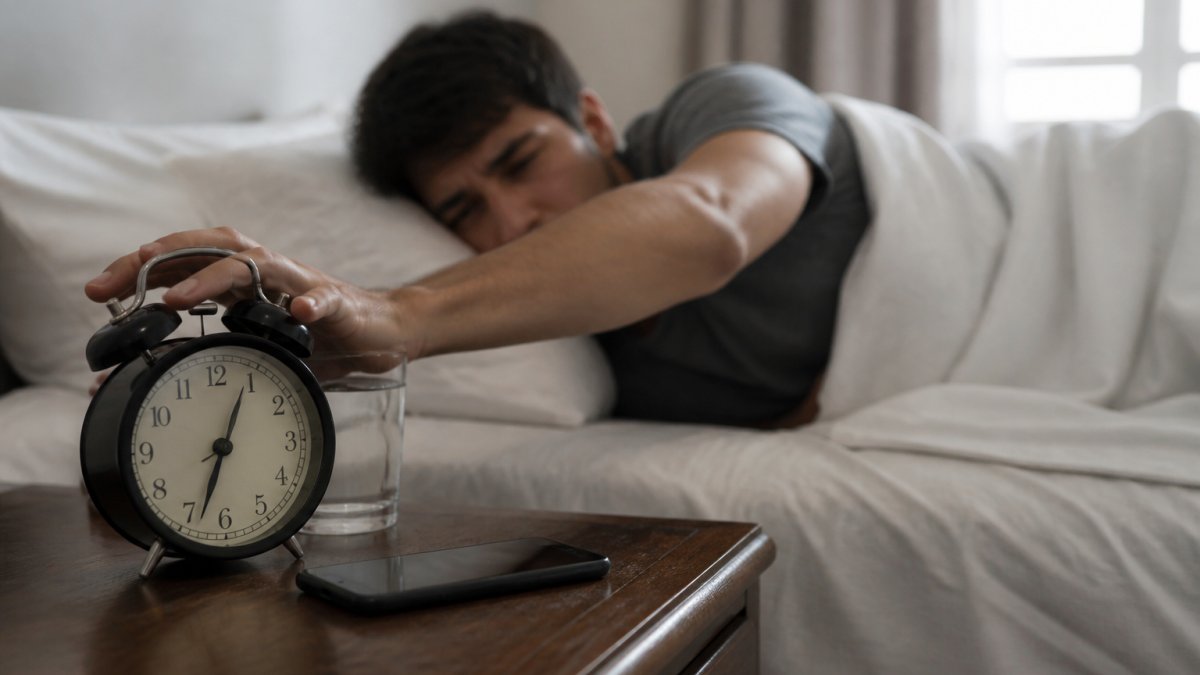
A loud, physical alarm clock works better than your phone. Place it across the room so you have to get out of bed to turn it off, movement forces your body awake.
Alarm clocks with 90+ decibels cut through deep sleep and startle your nervous system awake; your phone rarely reaches that volume. A traditional bell or buzzer clock is your best defense against oversleeping.
The key is distance. An alarm three feet away can be silenced half-asleep; ten feet away, you have to walk to it, and walking triggers full wakefulness.
But a loud alarm clock still relies on you waking enough to get out of bed, for heavy sleepers, even that might not work.
This is where real accountability comes in. RiseCall replaces your alarm with a real phone call from an AI assistant. You can't silence it with a button, you have to speak, and the conversation forces you awake. If you miss the call, RiseCall calls back up to three times.
Set a Backup Alarm System
Never rely on a single alarm. Use three alarms minimum.
Set your first alarm for your target wake-up time, your loudest phone alarm or a physical clock across the room.
Set your second alarm five minutes later on a different device, a partner's phone, tablet, or second clock. Varied sounds wake your brain better than repetitive ones.
Set your third alarm ten minutes after your target time as a safety net, if you sleep through the first two, it's your last chance.
Label each alarm clearly: "FLIGHT, WAKE UP NOW" for the first, "FLIGHT, GET UP" for the second, and "FLIGHT, LAST CHANCE" for the third. The text reinforces the urgency. You won't confuse it with a regular alarm.
Place your phone and any backup alarms in locations that force you to move. One on your nightstand, one across the room, one in the bathroom. You have to physically travel through your home to silence them all.
Night Before Flight Checklist
The night before your flight is when preparation becomes action. A checklist removes decision-making and reduces stress.
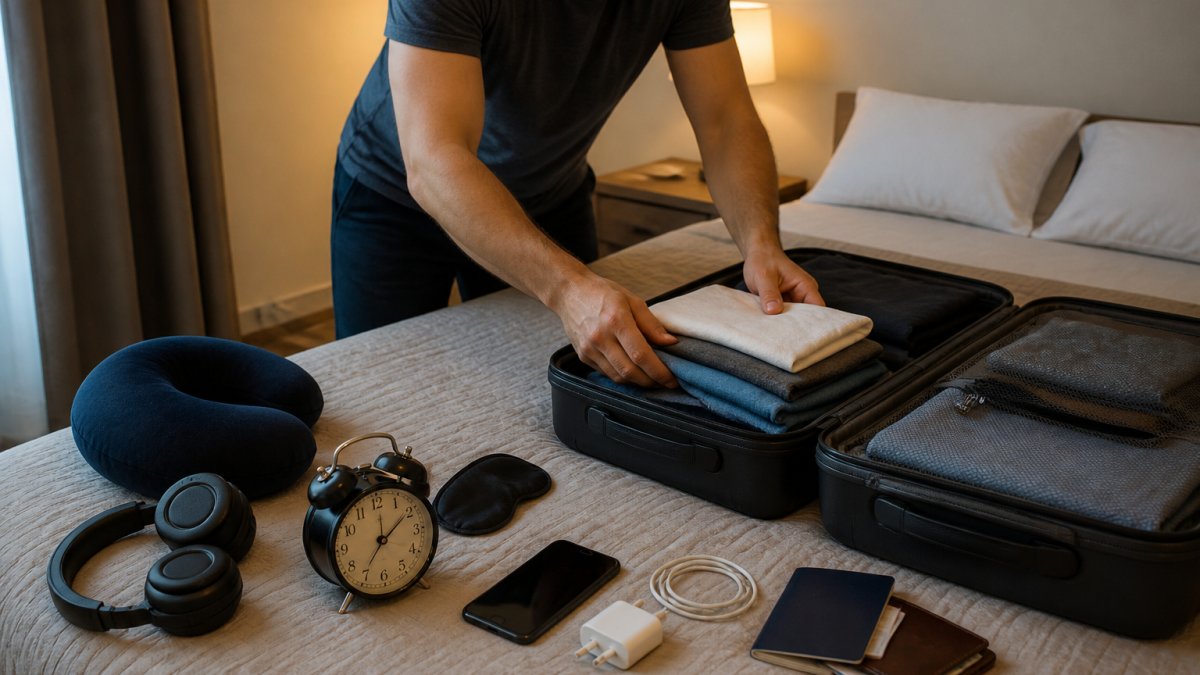
Pack your luggage completely. Don't leave anything for the morning. Packing under time pressure leads to forgotten items and rushed decisions.
Gather your travel documents. Passport, ID, boarding pass (printed or on your phone), and any required travel permits. Place them in a single folder or envelope.
Charge every device. Your phone, tablet, headphones, and any other electronics. Plug them in before you go to bed.
Set your alarms. Configure your main alarm, backup alarm, and third alarm. Test each one to make sure it works.
Prepare your transportation.
Lay out water bottles and any snacks you want to bring.
Set your thermostat to a cool temperature (around 65-68°F) (the CDC). A cool room promotes better sleep. You'll sleep deeper and wake more refreshed.
Go to bed on time. Don't stay up late "to make sure you don't oversleep." Late nights guarantee grogginess. Stick to your planned bedtime.
Morning Routine: From Alarm to Airport
Your morning starts the moment your alarm goes off. Speed matters, but panic doesn't.
When your first alarm sounds, get out of bed immediately. Don't lie there thinking about it. Movement is the fastest way to full wakefulness. Sit up, put your feet on the floor, and stand. Your body temperature will rise. Your heart rate will increase. Your brain will shift into alertness.
Silence the other alarms. Go to each one and turn it off. This confirms you're awake and mobile.
Drink water immediately. Your body is dehydrated after sleep. Water activates your nervous system and helps you feel alert. Drink a full glass before anything else.
Use the bathroom and shower if time allows. A cold shower is best for waking up, but even a warm one helps. The sensation of water on your skin is a powerful alertness trigger.
Get dressed in the clothes you laid out the night before. Don't waste mental energy choosing an outfit. Put on what's ready.
Caffeine Timing for Early Departure
Caffeine works best 20 to 30 minutes after you wake up. Drinking coffee the moment you open your eyes doesn't help. Your body is already producing cortisol, a natural stimulant that peaks right after waking.
Wait 30 minutes, then have your coffee or tea. Caffeine will hit your system when your natural cortisol is starting to wear off. The combination keeps you alert through your airport arrival and security screening.
Don't drink more than one cup before your flight. Too much caffeine makes you jittery and anxious. It can also increase bathroom trips at the airport, which wastes time.
If your flight is longer than three hours, skip the caffeine. You'll want to sleep on the plane, and caffeine will make that impossible. If your flight is under three hours, one cup is fine.
Eat and Hydrate Before You Leave
A light meal 45 minutes before you leave for the airport keeps your energy stable. Don't eat a huge breakfast. Your stomach is sensitive early in the morning. A light meal like toast with peanut butter, oatmeal, or a banana works well.
Avoid sugary foods. Sugar spikes your energy briefly, then crashes. You'll feel more tired at the gate than when you left home.
Drink water throughout your morning routine. Aim for at least 16 ounces before you leave. Hydration improves alertness and reduces jet lag effects.
Bring a water bottle for the car or transit ride to the airport. Drink it during your commute. You'll arrive more alert and focused.
Arrange Transportation and Build in Buffer Time
Your transportation is the final piece. An unreliable ride can undo all your preparation.
If you're taking a taxi or rideshare, book it the night before. Confirm the pickup time and location.
If someone is driving you, confirm the plan the night before. Text them the night before to confirm they're still available.
If you're driving yourself, leave your driveway at least two hours before your flight departure time. This accounts for traffic, parking, and unexpected delays.
Allow 30 minutes of buffer time for everything.
Arrive at the airport at least two hours before a domestic flight. TSA wait times vary. Security lines can be long during peak travel hours.
Early flights don't have to be stressful. The secret is preparation that starts three days out, not three hours out.
But here's what changes everything: accountability. A loud alarm clock helps. Multiple alarms help more. But a real conversation that forces you awake?
RiseCall turns your wake-up into a real interaction.
For job seekers heading to critical interviews, students with make-or-break exams, and professionals with high-stakes early meetings, oversleeping isn't an option. RiseCall makes sure it never happens. Schedule a call
Frequently Asked Questions
How many alarms should I set before an early flight?
Set at least two alarms 10-15 minutes apart, with the first one across the room so you must get out of bed. For heavy sleepers or critical flights, use a backup system like a phone call service that provides real accountability. The goal is not quantity but reliability, a single alarm you cannot ignore beats five alarms you can snooze through.
Should I stay up all night before an early flight?
No. Staying awake all night impairs judgment, reaction time, and safety during travel. Instead, aim for 4-5 hours of sleep if your flight departs before 6 AM, or 6-7 hours for later departures. A short sleep cycle is far better than fatigue, which increases the risk of oversleeping or missing your flight entirely.
What should I do the night before an early flight?
Complete your night-before checklist: pack luggage, gather travel documents and ID, set out clothes, confirm transportation, and set multiple alarms. Avoid heavy meals and caffeine after 6 PM. Set your bedtime 8-9 hours before departure to allow for sleep and morning routine. Lay out everything you need so your morning requires minimal decisions.
How can I wake up early for a flight if I'm a heavy sleeper?
Heavy sleepers need a system that forces engagement. Place your alarm across the room, use a loud or unusual alarm tone, set a backup alarm 10 minutes later, and consider a wake-up accountability service that calls you and requires verbal confirmation. Avoid the snooze button entirely, physically getting out of bed is the only reliable trigger for waking.