 comparison
Get AI Wake Up Calls: 2026 Guide to Real Accountability
Table of Contents
- Why Standard Alarms Fail and AI Wake-Up Calls Work
- How AI Wake-Up Call Services Actually Work
- Best Wake Up Call App 2026: Key Features to Compare
- AI Wake-Up Call Service: Reliability and Data Security
- Free Wake-Up Call Service vs. Paid Plans: What You Get
- Alarm That Calls You: Setup and Daily Use
- Who Benefits Most from AI Wake-Up Calls
- Common Mistakes to Avoid
- Frequently Asked Questions
Last Updated: October 21, 2026
Why Standard Alarms Fail and AI Wake-Up Calls Work
Your phone alarm goes off at 6 AM. You hit snooze. Then again at 6:09. By 6:30, you're running late for an interview that could change your career. AI wake up calls work differently because they're real phone calls from a conversational AI, something you can't silence without actually engaging.
An AI wake-up call breaks that pattern. It creates accountability because you're having a conversation, not just silencing a noise. That shift from passive alarm to active engagement is why people actually get out of bed.
The stakes matter here. Missing an important morning isn't just inconvenient. It's the difference between landing a job and losing an opportunity. It's the difference between passing an exam and failing. For shift workers, oversleeping can mean lost income or disciplinary action. Standard alarms have failed you before.
How AI Wake-Up Call Services Actually Work
An AI wake-up call service replaces your alarm with a real phone call at your scheduled time. When you don't answer or dismiss the call, the system retries automatically. You choose the voice and personality, a gentle coach, an energizing motivator, or a no-nonsense drill sergeant. The AI greets you, delivers personalized information like weather and news, and confirms you're awake before ending the call.
Real Phone Calls vs. Alarm Sounds
A real phone call forces engagement in ways alarm sounds cannot. When your phone rings with an actual voice on the line, you're not just hearing a notification, you're receiving a communication that demands a response. Alarm sounds rely on volume and repetition. Phone calls rely on the social expectation that you answer. Your brain treats a ringing phone differently than a beeping alarm because answering is a learned behavior tied to communication, not dismissal.
RiseCall delivers actual phone calls, not pre-recorded messages or notifications. This distinction matters because it removes the snooze option. You can't silence a conversation the way you silence a tone. You have to engage, which means you have to wake up.
Personalized Messages and Custom Scripts
The AI doesn't just call you, it speaks to you with a script tailored to your goals. If you're preparing for an interview, the message might remind you of the company name and the role you're pursuing. If you're studying for an exam, it might reference the subject. This personalization serves two purposes: it reinforces why today is important, and it makes the call feel less robotic and more like a real person who knows your situation.
You can customize the tone and content. Some users want motivation. Others want straightforward accountability. The AI adapts to your preference, making the wake-up experience feel designed for you rather than generic.
Smart Retry and Call Escalation
If you don't answer the first call, the system doesn't give up. It retries automatically, typically up to three times. Each attempt can escalate, perhaps increasing the urgency of the message or adjusting the timing. This escalation ensures that even if you're in deep sleep, you'll eventually engage.
This is where AI wake-up call services differ fundamentally from alarms. An alarm stops after a few cycles. A smart retry system keeps trying until you're actually awake and aware.
Best Wake Up Call App 2026: Key Features to Compare
When evaluating an AI wake-up call service, focus on features that directly impact reliability and personalization. Not all services are equal, and the differences matter when your morning depends on it.
Customizable Personas and Voice Options
Different situations call for different approaches. A student cramming for an exam might need aggressive motivation. A professional with a crucial interview might prefer calm confidence. A night-shift worker might need something neutral and direct. The best services offer multiple personas, so you can pick what works for your situation.
RiseCall offers customizable personas including a gentle coach and a drill sergeant, allowing you to match the wake-up experience to your personality and the day's demands.
Weather Reports and News Briefings
An AI wake-up call that only says "wake up" wastes the opportunity to start your day with purpose. The best services integrate real information, weather forecasts, news headlines, or calendar reminders, so you're informed the moment you wake. This transforms the call from a nudge into a briefing that sets your day in motion.
Imagine waking to learn it's raining before a commute, or hearing a news story relevant to an interview you're about to have. These details make the wake-up call feel valuable rather than intrusive.
Time Zone Support and International Availability
If you travel or work across time zones, your wake-up service needs to follow you. A service that only works in one time zone is useless for frequent travelers or remote workers with flexible schedules. The best services automatically adjust to your current location or allow manual time zone selection.
International availability is equally important. If you're traveling abroad or relocating temporarily, you need to know the service will still reach you. Some providers have geographic limitations due to phone network partnerships; others operate globally. Verify coverage before committing.
| Feature | Why It Matters | What to Look For |
|---|---|---|
| Real phone calls | Forces engagement; can't be snoozed like alarms | Actual voice calls, not notifications |
| Smart retry | Ensures you wake even in deep sleep | Up to 3 attempts with escalation |
| Customizable personas | Matches your personality and situation | Multiple voice types and tones |
| Personalized messages | Reinforces why today matters | Custom scripts tied to your goals |
| Time zone support | Works when you travel or shift schedules | Automatic or manual time zone adjustment |
| Weather/news integration | Starts your day informed | Real-time data delivery during call |
AI Wake-Up Call Service: Reliability and Data Security
Reliability is non-negotiable. If the service fails on the morning of your interview or exam, it's worse than having no service at all. Data security matters because you're giving the service your phone number and personal information.
Privacy and Phone Number Protection
Your phone number is sensitive information. Before signing up, understand how the service handles it. Will it share your number with third parties? Is it encrypted? What's the retention policy, do they delete your data after cancellation, or keep it indefinitely?
A trustworthy service should have a clear privacy policy that explains exactly what data they collect, how they use it, and who can access it. They should never sell your phone number to marketers or data brokers. RiseCall keeps your information private and uses your phone number only for scheduled wake-up calls.
Delivery Guarantees and Uptime
The best services provide transparency about their infrastructure. They use multiple phone networks to ensure calls get through, even if one network experiences an outage. They monitor performance continuously and alert you to issues before they affect your wake-up call.
Free Wake-Up Call Service vs. Paid Plans: What You Get
Some services offer free trials or limited free tiers. Others operate on a subscription model. Understanding the trade-offs helps you choose the right option for your needs.
Free services typically limit features: fewer retry attempts, no customization, basic voice only, no personalization. They might also have restrictions on how many calls you can schedule per week.
Paid plans unlock the full feature set: unlimited calls, multiple personas, personalized messages, priority retry logic, and premium support. Check the pricing page for current plans and a free trial option to experience the service before committing.
The real question isn't free versus paid, it's whether the service delivers on its core promise. A free service that fails when you need it most is worthless. A paid service that reliably gets you out of bed is an investment in your success.
Alarm That Calls You: Setup and Daily Use
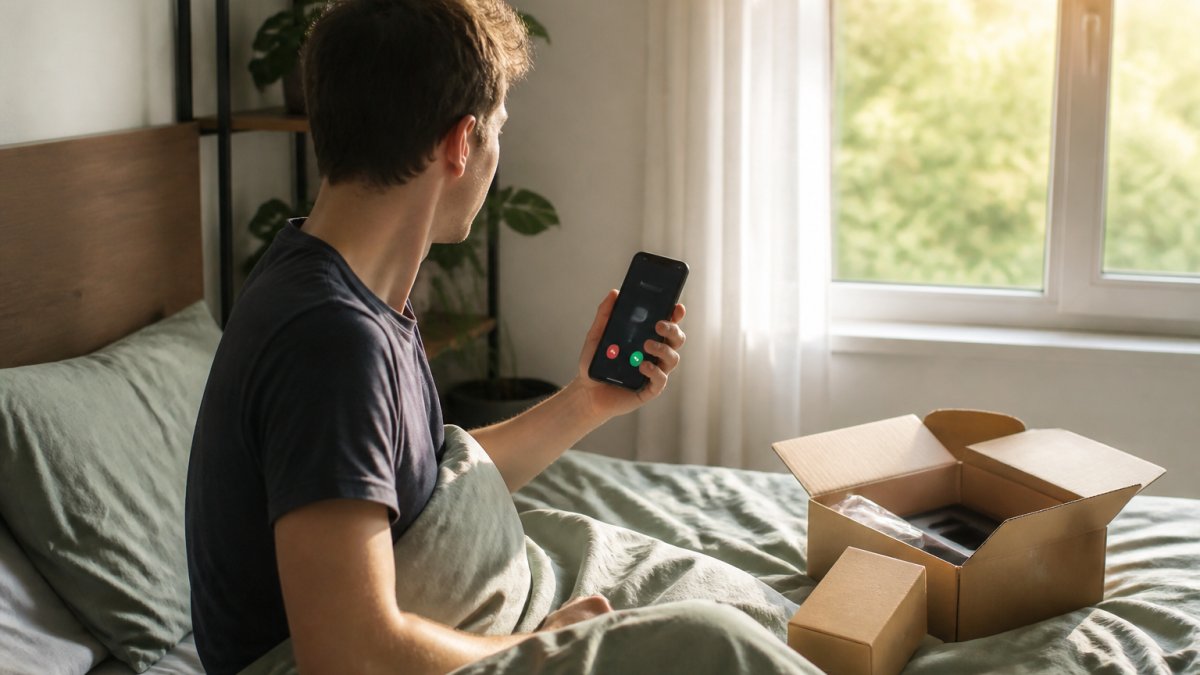
Getting started with an AI wake-up call service should be straightforward. The setup process typically takes minutes, not hours. You provide your phone number, choose your preferences, and schedule your first call. Then the service handles the rest.
Scheduling Your First Wake-Up Call
Most services let you schedule calls through an app or web interface. You set the time, date, and frequency. Do you need it daily? Only on weekdays? Just for tomorrow morning? The flexibility matters because your wake-up needs vary. A student might need calls only on exam days. A shift worker might need them on rotating schedules.
When you first sign up, test the service with a call at a time when you're awake. This lets you hear the voice, experience the flow, and adjust settings before relying on it for something critical. Some services offer a trial period specifically for this purpose.
Managing Repeat Calls and Adjusting Settings
After your first call, you can adjust the persona, message content, retry settings, and timing based on what worked and what didn't. Did the voice feel right? Was the message motivating or annoying? Did you wake up easily, or did you need more persistence? These answers guide your next adjustments.
Who Benefits Most from AI Wake-Up Calls
Three groups see the most dramatic benefits from this service.
Job seekers preparing for interviews rely on AI wake-up calls to ensure they're alert and ready when it matters most. Missing an interview because you overslept isn't just embarrassing, it's career-damaging.
Students with critical exams use the service to guarantee they're awake and focused on test day. Chronic snooze-button users find that a conversational AI call breaks their habit in ways standard alarms never could.
Early-shift workers in demanding industries, healthcare, emergency services, transportation, depend on reliable wake-up systems because oversleeping has financial and safety consequences. A missed shift isn't just lost income; it affects your team and potentially your job security.
If you fall into any of these categories, an AI wake-up call service is worth testing. The stakes are high enough to justify the investment.
Common Mistakes to Avoid
Don't assume all AI wake-up call services are equivalent. Some use pre-recorded messages that feel robotic. Others have poor retry logic or limited time zone support. Test before committing to anything important.
Don't set a wake-up call and assume it will work without verification. Call the service from your phone to confirm the number and test the connection.
Don't rely on a service you haven't tested for the most critical morning of your life. If you're using it for an interview or exam, schedule at least one practice call days in advance.
Don't ignore the privacy policy. Understand what data you're sharing and how it's protected. A service that's convenient but compromises your privacy isn't worth the trade-off.
Missing an important morning costs more than sleep. It costs opportunities.
Frequently Asked Questions
How do AI wake-up call services differ from standard alarm apps?
Standard alarms rely on sound that you can silence instantly or snooze indefinitely. AI wake-up call services use real phone calls with two-way conversation. You must answer and engage with a person or conversational AI, making it much harder to fall back asleep. The service can repeat calls if you miss the first attempt, and personalized messages replace generic alarm tones, creating accountability that forces you awake for commitments like interviews or exams.
Are AI wake-up call services free, or do I need to pay?
Many providers offer free wake-up call services with limited features, such as basic scheduling or a set number of calls per month. Paid plans unlock customization options like personalized messages, multiple personas, weather briefings, and priority support. Pricing varies by provider. Check each service's website for current pricing and free trial availability to test whether the service works for your schedule before committing.
Can an AI wake-up call service reach me if I'm traveling or in a different time zone?
Yes, most AI wake-up call services support multiple time zones and can reach you internationally via phone call. When you schedule a wake-up call, you specify your time zone or the specific time you want to be called. The service adjusts automatically.
Is my phone number safe with an AI wake-up call service?
Reputable AI wake-up call services encrypt phone numbers and comply with data protection regulations. Your number is used only to deliver scheduled calls and is not sold to third parties. Before signing up, review the provider's privacy policy to confirm data handling practices. Legitimate services are transparent about security measures and allow you to delete your account and phone number at any time.